Bathroom drains collect more than water. Hair, soap residue, limescale, shaving debris, and product buildup can slowly narrow the pipe until the water starts draining badly or stops completely.
In Brussels homes and apartment buildings, bathroom drain issues can be harder to diagnose when several fixtures share the same drainage line. A slow shower drain may be a local hair clog. But if the basin, bath, and toilet area are also affected, the problem may be deeper in the system.
This guide explains how to unblock and clean bathroom drains safely, what causes repeat blockages, which DIY methods are worth trying, and when to call a professional for drain unblocking, high-pressure jetting, or camera inspection.
What Causes Bathroom Drains to Block?
Bathroom drain blockages usually build up gradually. One shower or one shave is not the problem. The issue is repeated buildup inside the pipe.
Hair
Hair is the most common cause of blocked shower and bath drains. Individual strands are small, but they catch on drain covers, pipe edges, soap residue, and rough internal surfaces. Over time, they form a dense clump that slows water flow.
Bathroom sinks can also collect shorter hair from shaving and grooming. That buildup often sits around the stopper, trap, or first bend in the pipe.
Soap Scum and Product Residue
Soap, shampoo, conditioner, shaving foam, body wash, and skincare products all leave residue behind. That residue sticks to the pipe wall and catches hair more easily.
Once the layer thickens, water has less space to flow through. That is when the drain starts to empty slowly.
Limescale and Mineral Deposits
VIVAQUA explains that water hardness reflects the amount of dissolved calcium and magnesium in water. In harder-water areas, limescale can build up on fixtures and surfaces, and it can contribute to rougher pipe interiors over time.
Do not overstate this. Limescale is rarely the only reason a bathroom drain blocks. But combined with soap residue and hair, it can make buildup worse.
Non-Flushable Items
Toilet drains follow a different pattern from shower or basin drains. Wipes, cotton pads, sanitary products, and similar items should not be flushed. Even products marketed as “flushable” can contribute to sewer and drain problems. Flemish sewer-sector reporting has identified wet wipes as a major cause of clogged sewers in Flanders.
How to Unblock a Bathroom Drain Safely
Start with the least aggressive method. Do not jump straight to chemicals or force.
1. Remove Visible Debris
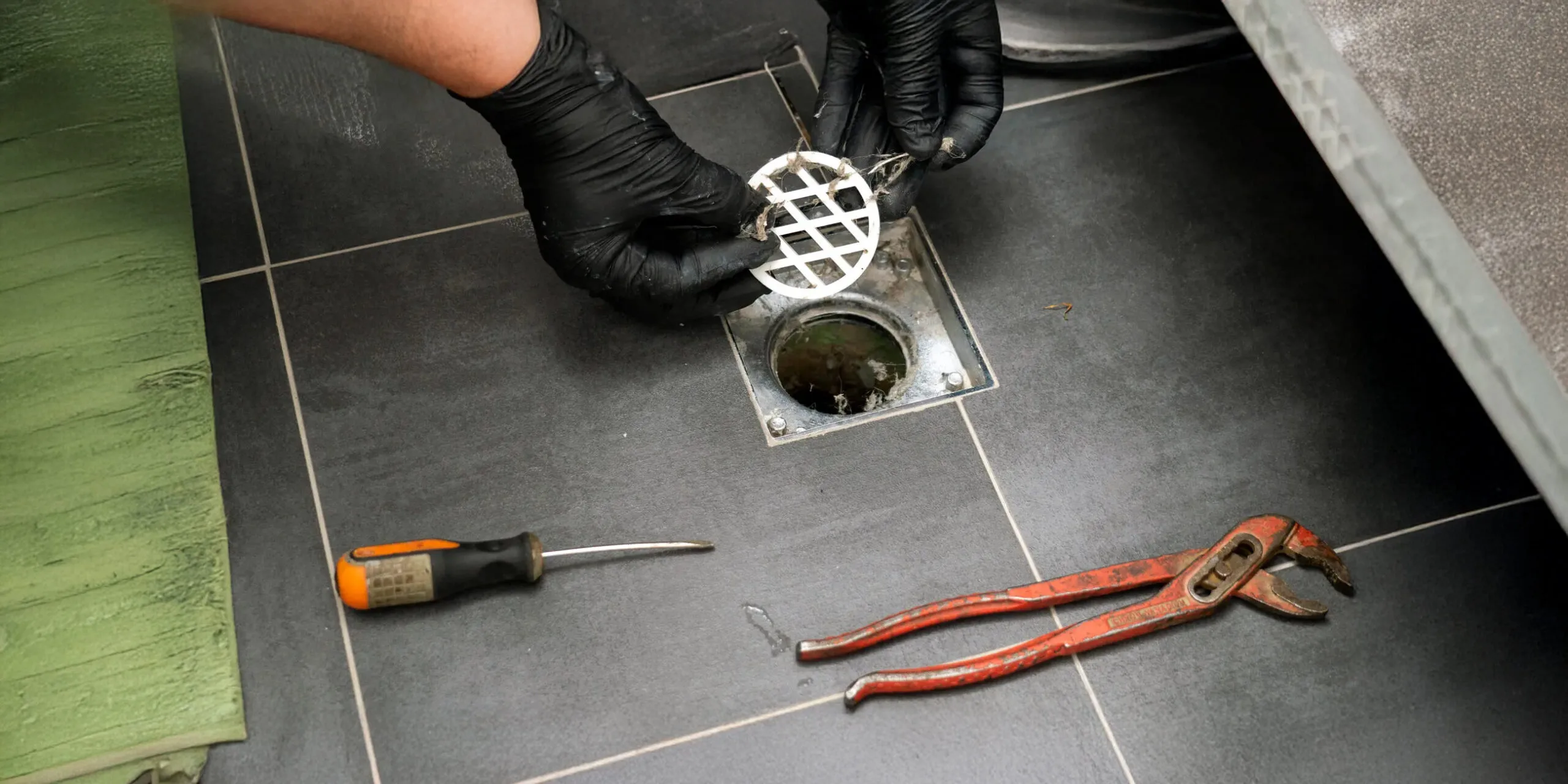
Remove the drain cover or stopper and clear visible hair, sludge, and residue.
For shower drains, much of the blockage often sits just below the cover. For bathroom sinks, check around the stopper and trap area.
Use gloves and a proper drain cleaning tool if needed. Avoid forcing sharp or improvised metal tools into the pipe.
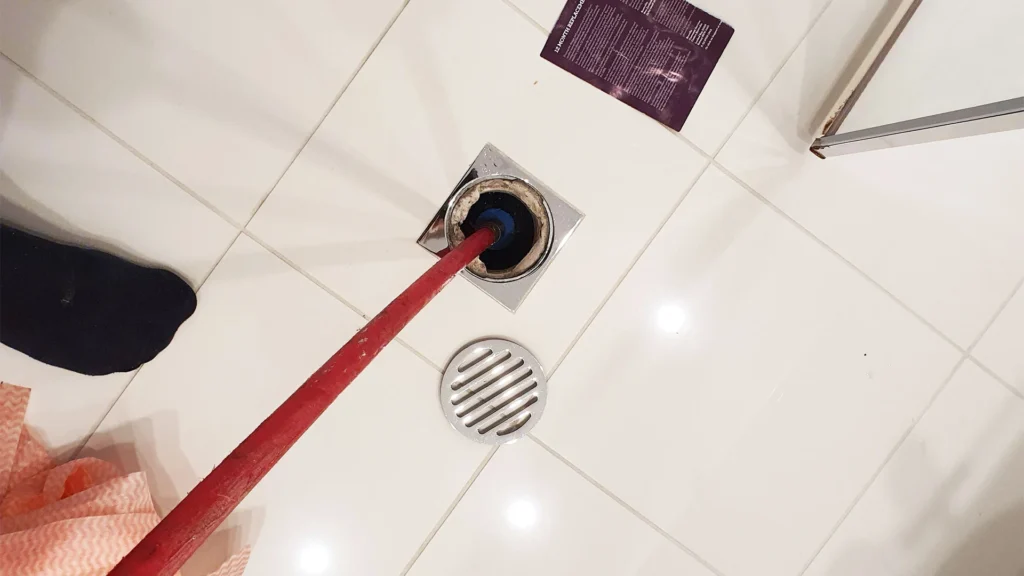
2. Use a Plunger
A plunger can help with partial blockages close to the drain opening.
Steps:
- Add enough water to cover the plunger cup.
- Seal the plunger firmly over the drain.
- If it is a bathroom sink, cover the overflow opening with a cloth.
- Push and pull steadily for 20–30 seconds.
- Test the drain.
A plunger works by pressure. It may loosen a blockage, but it does not always remove the buildup from the pipe wall.
3. Flush with Hot Water
Hot water can help soften light soap residue.
Use hot water, not boiling water. Avoid boiling water if you are unsure about the pipe material or condition, especially with older plastic pipework.
This method is useful for light residue. It will not fix dense hair clumps, heavy limescale, or deeper restrictions.
4. Try Baking Soda and Vinegar
Baking soda and vinegar can help with mild odours and light residue.
Steps:
- Pour one cup of baking soda into the drain.
- Add one cup of white vinegar.
- Cover the drain opening.
- Wait 15–20 minutes.
- Flush with hot water.
This is not a miracle fix. It has limited effect on compacted hair, mineral scale, or a blockage deeper in the pipe.
What Not to Do
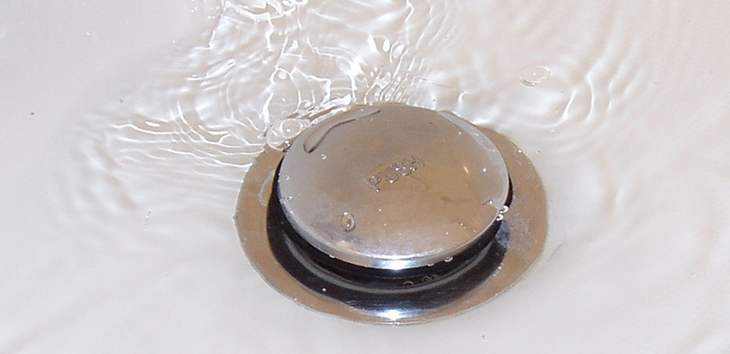
Bad DIY can make the problem worse.
Avoid these mistakes:
- do not rely on repeated chemical drain cleaner use
- do not force coat hangers or sharp metal tools into the drain
- do not keep running water if the drain is backing up
- do not ignore recurring odours or gurgling
- do not assume a toilet blockage is safe to keep flushing
Chemical drain cleaners can sometimes shift a small restriction, but they do not properly clean pipe walls. Repeated use can also damage older pipework or seals.
Why Bathroom Drains Keep Blocking After Cleaning
If the drain blocks again a few days or weeks after you clear it, the pipe was probably not fully cleaned.
DIY methods often create a small path through the blockage. Water starts moving again, so the drain seems fixed. But the pipe wall may still be coated with soap scum, hair, and residue. That leftover buildup catches new debris quickly.
Recurring blockages can also mean the problem sits deeper in the line. In that case, basic plunging and hot water will not solve it for long.
If the same drain keeps slowing down, camera inspection can help identify whether the issue is buildup, trapped debris, pipe damage, poor slope, or a restriction farther down the system.
How to Clean Bathroom Drains and Prevent Blockages
Prevention is mostly about small habits done consistently.
Use a Hair Catcher
A mesh cover or hair catcher is one of the cheapest ways to prevent shower and bath blockages. It catches hair before it enters the pipe.
Clean it after each use. If you leave hair sitting there, it becomes part of the problem.
Clean the Stopper Regularly
Bathroom sink stoppers collect soap residue, short hair, toothpaste, and shaving debris.
Remove and clean the stopper every two to four weeks. This takes a few minutes and prevents narrowing at the drain inlet.
Flush with Hot Water After Heavy Use
After long showers, baths, shaving, or heavy product use, run hot water for 30–60 seconds. This helps move loose residue before it sticks.
This is basic maintenance, not a cure for an existing blockage.
Avoid Flushing the Wrong Items
Only toilet waste and toilet paper should go into the toilet. Wipes, cotton pads, hygiene products, dental floss, and similar items belong in the bin, not the drain.
When to Call a Professional
DIY is reasonable for minor restrictions near the drain opening. It is not enough for deeper or recurring problems.
Call a professional when:
- water stands in the shower tray or basin
- the drain blocks again soon after cleaning
- bad odours keep returning
- gurgling sounds come from nearby drains
- the toilet is blocked and plunging does not restore flow
- multiple drains are slow at the same time
- water backs up during normal use
These signs often mean the blockage is deeper, more established, or affecting more than one part of the drainage system.
For an active blockage, book professional drain unblocking. If the issue keeps returning,camera inspection is usually the smarter next step.
What Professional Bathroom Drain Cleaning Involves
Professional cleaning goes beyond opening a small path through the clog. The goal is to restore stable flow and reduce the chance of another blockage.
Drain Snaking or Rodding
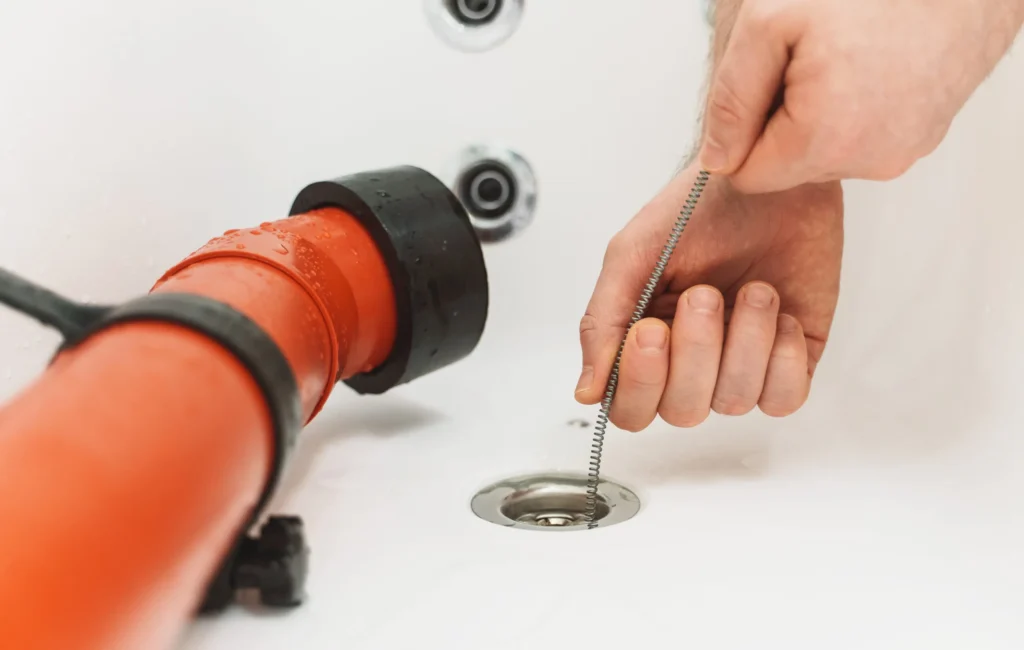
A drain snake, also called an auger, reaches deeper than basic DIY tools. It can break through or retrieve compacted hair and debris that sits beyond the drain opening.
This is often useful for localised bathroom drain blockages.
High-Pressure Jetting
High-pressure jetting is one of the most effective professional methods for removing buildup from pipe walls when the pipe condition allows it.
It uses water pressure to clean residue from the inside of the pipe. This can be useful for recurring blockages caused by soap scum, sludge, and general buildup.
It is not used blindly. A professional should assess the pipe condition first.
Camera Inspection
If the blockage keeps coming back or the cause is unclear, camera inspection helps confirm what is happening inside the pipe.
It can identify:
- deeper buildup
- trapped debris
- pipe damage
- poor pipe alignment
- recurring blockage points
This matters because repeated cleaning without diagnosis can waste time and money.
Is High-Pressure Jetting Safe for Bathroom Drains?
Yes, when used correctly and when the pipe is in suitable condition.
Bathroom drains usually need lower pressure than larger sewer lines. A professional adjusts the method based on pipe material, diameter, condition, and access.
If the pipe looks fragile, damaged, or unsuitable for jetting, mechanical cleaning or inspection may be safer.
FAQ
What is the difference between drain unblocking and drain cleaning?
Drain unblocking restores water flow by clearing a restriction. Drain cleaning removes buildup from the pipe walls to reduce the chance of future blockages.
How often should you clean bathroom drains?
There is no fixed schedule for every home. Clean visible covers, traps, and stoppers regularly. Consider professional cleaning if drains are heavily used, repeatedly slow, or prone to recurring blockages.
Are chemical drain cleaners safe for pipes?
Repeated chemical cleaner use is not a good maintenance plan. It can damage older pipework or seals and often only partially clears buildup.
What are the first signs of a blocked bathroom drain?
Common early signs include slow drainage, water pooling in the shower or basin, bad odours, and gurgling sounds.
Does a slow drain always mean a blockage?
Often, yes. But it can also be caused by a stopper issue, poor ventilation, or a deeper drainage problem.
How long does it take to unblock a bathroom drain?
Simple blockages may be cleared quickly. Deeper or recurring problems can take longer, especially if inspection or jetting is needed.
Key Takeaways
Bathroom drain blockages usually develop from hair, soap residue, limescale, and product buildup. Minor clogs near the drain opening can often be improved with manual clearing, a plunger, or hot water.
Recurring blockages are different. If the drain keeps slowing down, smells bad, gurgles, or affects other fixtures, the problem may be deeper than the visible drain opening.
For homeowners and landlords in Brussels, DrainResQ provides professional drain unblocking, high-pressure jetting, and camera inspection.
Book a Bathroom Drain Assessment with DrainResQ before a slow drain becomes a full blockage.