

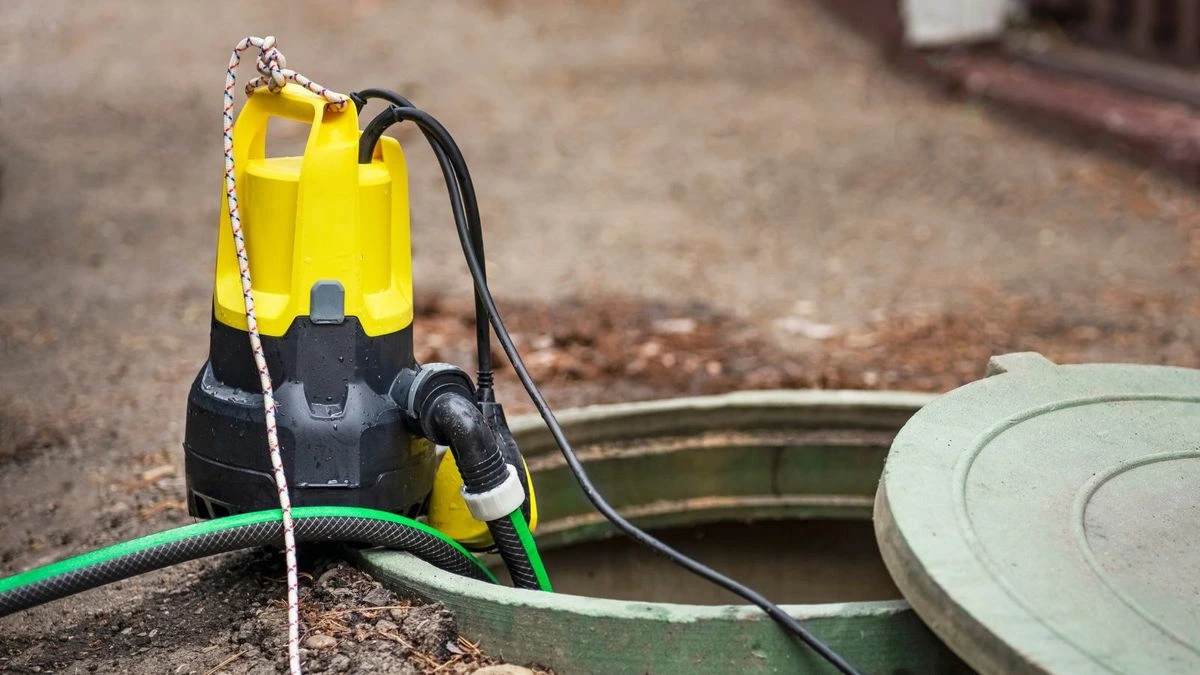
If your home has a septic tank in Belgium, this is not something to leave until it becomes obvious. By the time the smell gets worse, the drains start gurgling, or wastewater backs up, the tank is already overdue for attention,and you may already need septic tank emptying in Brussels
The short answer is this: for most homes, about every two years is a sensible baseline. That is not a one-size-fits-all legal rule for every property in Belgium, but it is a safer starting point than waiting four or five years and hoping for the best.
At DrainResQ, we regularly help homeowners in Brussels, Vilvoorde, Machelen, and Zaventem deal with septic tank problems that started as simple maintenance delays. In most cases, the pattern is the same: the tank was left too long, sludge levels rose too far, and a routine emptying turned into a more urgent and more expensive job.
The Practical Rule of Thumb
For a normal residential septic tank, start with this:
- every 2 years for most households
- sooner if the tank is small
- sooner if the property has higher wastewater use
- sooner if warning signs appear in that case, it is best to book emergency drain unblocking instead of waiting
- do not use “it still seems fine” as your maintenance plan
To keep things simple, we’ve broken down the recommended frequency based on typical Belgian tank sizes and household occupants.
| Tank Capacity (Liters) | Number of Residents | Recommended Frequency | System Type |
| 2000L | 1–2 People | Every 3 Years | Fecal-only (Older builds) |
| 3000L | 3–4 People | Every 2 Years | Standard Family Tank |
| 4000L+ | 5+ People | Every 1.5 Years | All-water (GPA/GRI) |
| 6000L+ | Large Family | Every 2 – 3 Years | Modern Belgian Standards |
This table calendar is only a guide. What really matters is how much sludge has built up in the tank and what type of wastewater the system receives.
Why the Emptying Schedule Varies
Not every septic setup in Belgium works the same way.
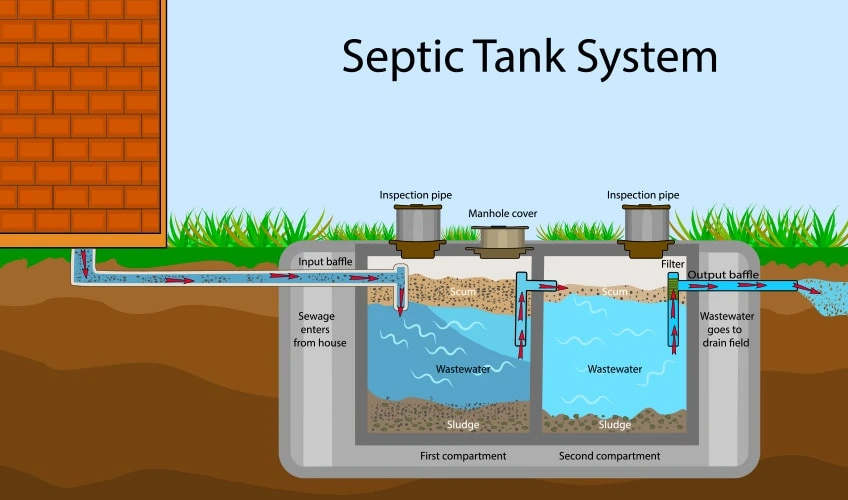
In Flanders, whether a septic tank is required and how it is configured depends on the zoning plan and the local setup. Some tanks receive only toilet water, while others may temporarily receive all household wastewater, which changes the volume and how quickly sludge builds up.
In Wallonia, properties with a full individual wastewater treatment system can have stricter maintenance requirements than a simple residential septic tank.
That is why the right answer is never just “every X years” without context.In these cases, a professional drain inspection can help assess how well the system is performing and whether any maintenance is needed before problems start.
For everyday homeowners, the practical takeaway is simple: the busier the tank, the shorter the emptying interval should be.
What Usually Makes a Tank Fill Faster?
A septic tank generally needs emptying sooner when:
- more people live in the home
- the tank is relatively small
- the system receives more than just toilet waste
- laundry and water use are heavy
- wipes, fats, or unsuitable waste go into the system
- the tank has already been neglected in the past
This is one reason two similar homes can have very different emptying schedules. The tank size matters, but the household habits matter too.
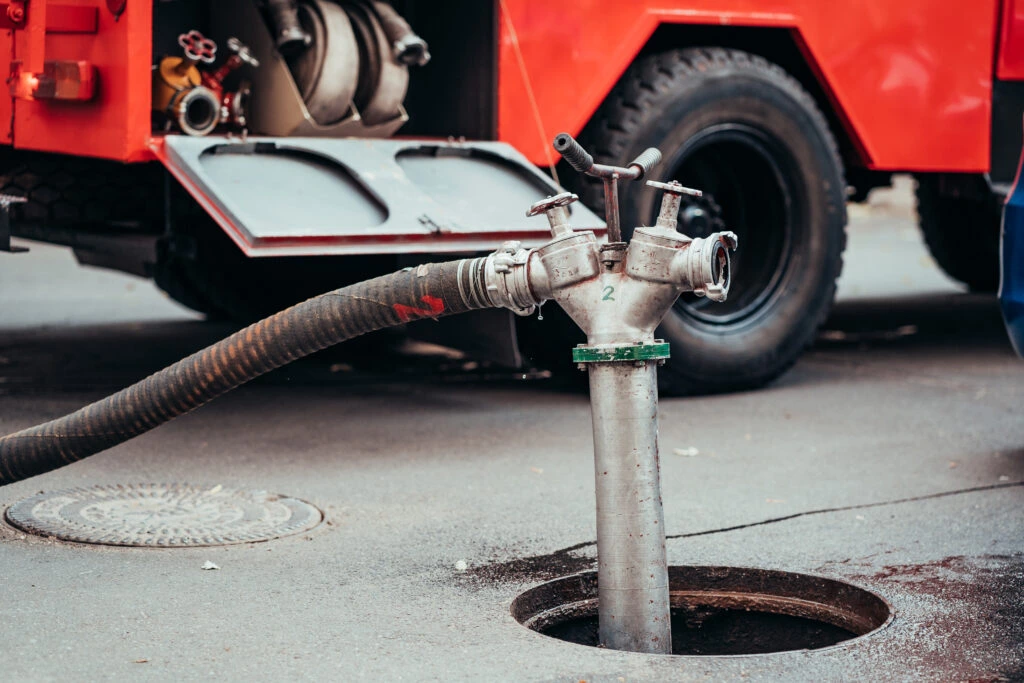
Warning Signs Your Septic Tank May Need Emptying
Do not wait for a complete failure. The system usually shows signs first.
Slow Drains and Gurgling
If sinks, toilets, or drains start emptying more slowly than usual, or you hear gurgling sounds in the system, the tank may be too full or the connected drainage line may be struggling,in many cases, this overlaps with issues that require drain unblocking service.
Bad Odours Around the Property
A persistent sewage smell near the tank, drains, or outside pipe route is a warning sign that should not be ignored and may require professional drain inspection to identify the cause.
Wet or Unusually Green Ground Near the Tank
If you notice damp patches, standing water, or suspiciously lush grass above or around the tank area, the system may be overflowing or not working properly.
Backups Inside the House
This is the point where the job stops being maintenance and becomes an urgent drainage issue.
If wastewater is backing up into toilets, floor drains, or other fixtures, book professional service immediately.
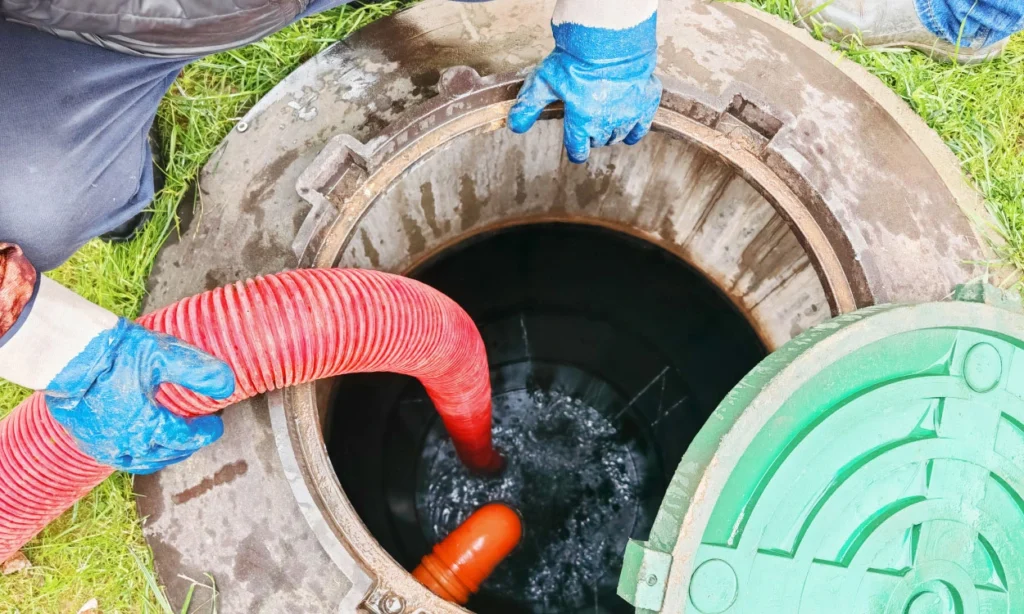
Why Waiting Too Long Is Expensive
A routine septic tank emptying is predictable. A neglected system is not.
When sludge builds up too far, it does not just stay inside the tank. It can start affecting connected pipes and the wider drainage system. That is where costs rise.
A standard septic tank emptying is far cheaper than dealing with:
- recurring blockages
- wastewater backups
- foul odours in the home
- damage to the surrounding drainage setup
- more extensive follow-up work
That is why regular emptying is not just maintenance. It is cost control.
How Septic Tank Emptying Is Usually Priced
The cost depends on a few practical factors:
- tank size
- how easy the tank is to access
- distance from the truck to the lid
- how much waste needs to be removed
- whether additional inspection or follow-up work is needed
As a general indication, Belgian sources often place residential septic tank emptying somewhere around €100 to €300, with around €250 often used as a typical example for a standard residential setup. Actual pricing still depends on access and size.
If you want a real number, the only useful answer is a quote based on your property.request a septic tank emptying quote in Brussels
This Is Not a DIY Job
Septic tank emptying should be handled by a specialist. Aside from the waste-handling and disposal side of the job, confined spaces around tanks can be dangerous because of gas buildup.
In plain English: this is not something to improvise.
If the tank needs emptying, book a proper service.
How DrainResQ Handles Septic Tank Emptying
At DrainResQ, the goal is simple: empty the tank properly, keep the job clean, and help you avoid the next problem.
A typical visit includes:
- locating and opening the tank safely
- removing sludge and waste properly
- checking for obvious signs of overflow or abnormal condition
- advising on the next sensible maintenance interval
- recommending follow-up action if the wider drainage system shows signs of trouble
We serve homeowners in Brussels, Vilvoorde, Machelen, Zaventem, and nearby areas, and we focus on practical service rather than vague advice.
When to Book Septic Tank Emptying
Book a service visit if:
- the tank has not been emptied in around two years
- you do not know when it was last emptied
- the property is showing warning signs
- you are buying or taking over a property with an older system
- you want to avoid emergency drainage problems later
If you are in Brussels or Vilvoorde, DrainResQ can assess the situation and advise whether you only need routine septic tank emptying or whether there may already be a wider drainage issue.
Need Septic Tank Emptying in Brussels or Vilvoorde?
If your septic tank is overdue, or the system is already showing signs of trouble, do not wait for it to become an emergency.
Book septic tank emptying with DrainResQ for fast local service in Brussels, Vilvoorde, Machelen, Zaventem, and nearby areas.
FAQ
How often should a septic tank be emptied in Belgium?
For most homes, around every two years is a sensible baseline. The real interval depends on the tank size, household size, wastewater volume, and overall system setup.
Can I wait longer if the drains still seem to work?
You can, but that is how minor maintenance turns into a bigger problem. A tank can still appear to function while sludge levels are already too high.
What are the signs a septic tank is too full?
Common warning signs include slow drains, gurgling sounds, bad smells, wet ground near the tank, and wastewater backup inside the house.
Is septic tank emptying expensive?
Routine emptying is usually far cheaper than dealing with blocked drains, overflows, or follow-up repair work caused by neglect.
Do I need a specialist to empty a septic tank?
Yes. Septic tank emptying should be handled by a professional service with the right equipment and disposal process.