
A drain can be cleared and still not be fixed.
That is one of the most common reasons people in Brussels book a CCTV drain inspection. The blockage is removed, the water flows again, and then the same problem comes back a few weeks later.
When that happens, the issue is often not the debris itself. It is the condition of the pipe underneath it. A displaced joint, root entry point, cracked section, or recurring deposit line can keep rebuilding the same restriction until the real cause is identified.
At DrainResQ, we use CCTV drain inspections to locate the exact point and cause of recurring blockages before recommending the next step.
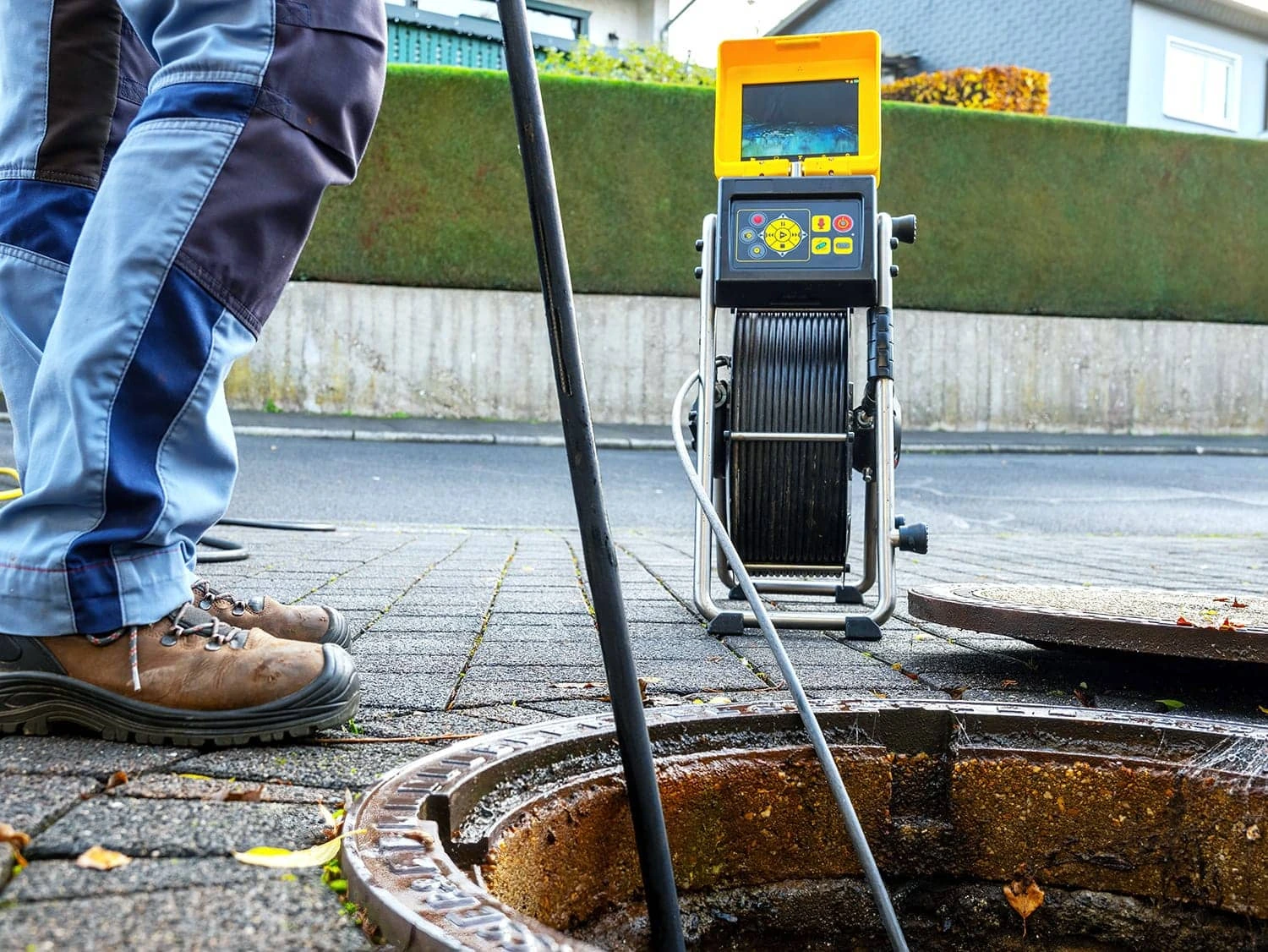
A CCTV drain inspection puts a camera inside the pipe and shows what is actually happening. It gives you visual evidence instead of assumptions. In practical terms, that means you can stop guessing whether the next step should be drain unblocking,high-pressure jetting, or a repair.
What Is a CCTV Drain Inspection?
A CCTV drain inspection is a visual inspection of the inside of a drain or sewer using a camera system inserted through an existing access point. The purpose is simple: identify the condition of the pipe without digging first.
EN 13508-2 is the European standard for coding visual observations during CCTV inspection of drains and sewers, and it is designed to describe what is observed inside the pipe in a standardised way.
For a homeowner or landlord, the practical value is straightforward:
- you can locate the actual point of failure or restriction
- you can see whether the issue is a blockage or a structural defect
- you can avoid unnecessary excavation
- you can make a more targeted repair decision
That is why camera inspection is often the most sensible next step when a drain problem keeps returning or never fully makes sense from the surface.
When Should You Book a CCTV Drain Inspection?
You do not need a camera inspection for every slow drain. But there are clear situations where it makes sense.
1. The Same Blockage Keeps Coming Back
If the drain has already been cleared and the same symptoms return, the issue may be deeper than simple buildup. Repeating the same clearing method without diagnosis often wastes time.
2. Multiple Fixtures Are Affected
If the kitchen sink, toilet, shower, or floor drain are all showing slow drainage or backup at the same time, the restriction may be in a shared line rather than one local branch.
3. You Need Clarity Before Repair Work
Camera inspection is useful before committing to excavation, relining, or larger plumbing work. It shows whether the pipe is blocked, damaged, misaligned, or simply dirty.
4. You Are Buying or Managing an Older Property
Older buildings can have hidden drainage issues that do not show up during a normal viewing or a basic visual check. A camera inspection gives you a clearer record of the drain condition.
5. You Need a Proper Condition Record
At DrainResQ, CCTV inspections are used to give property owners, buyers, and managers a usable condition record rather than a vague verbal opinion. EN 13508-2 matters here because it standardises how findings are recorded.
How the Inspection Works
The inspection process is not complicated, but it is more disciplined than most people expect.
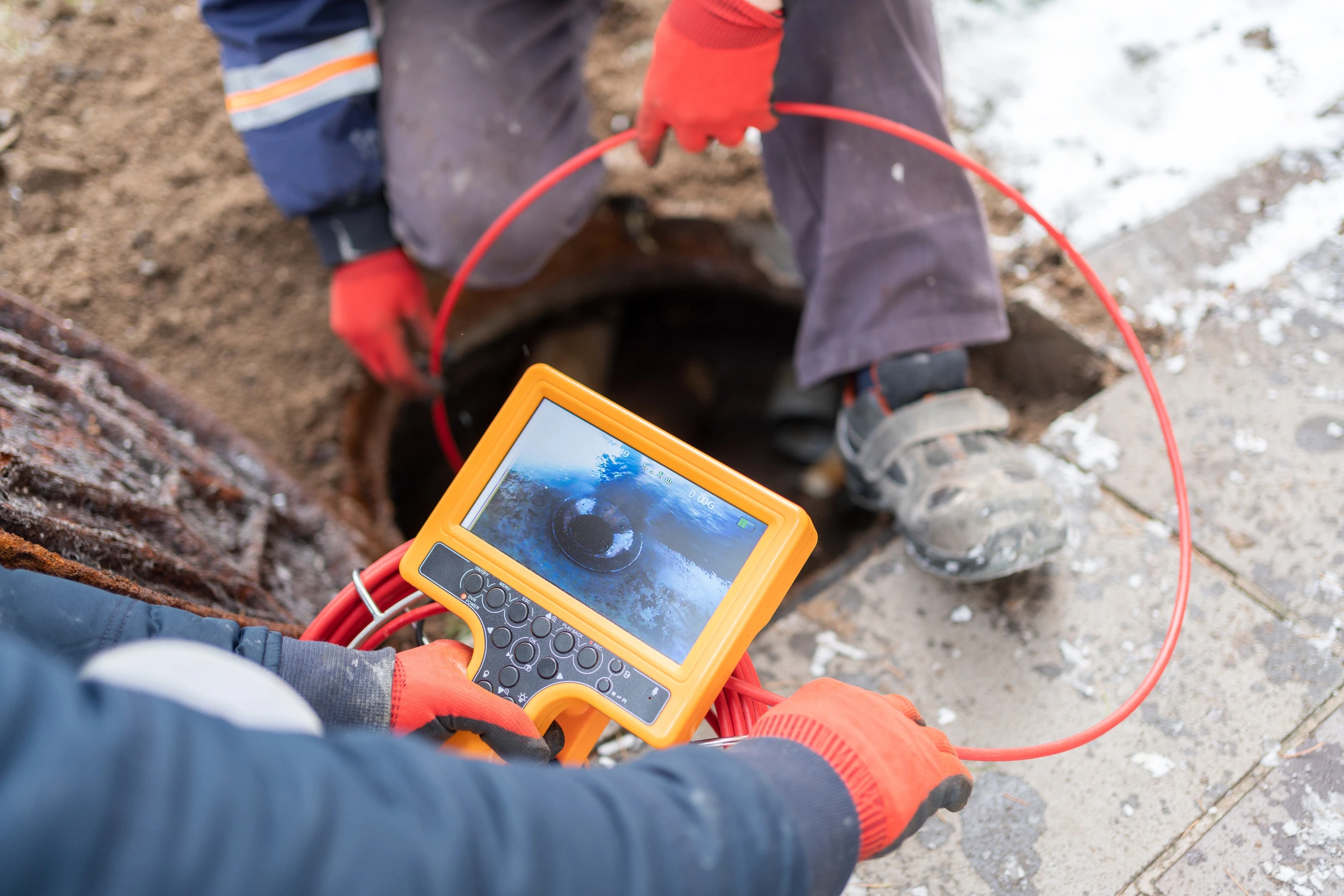
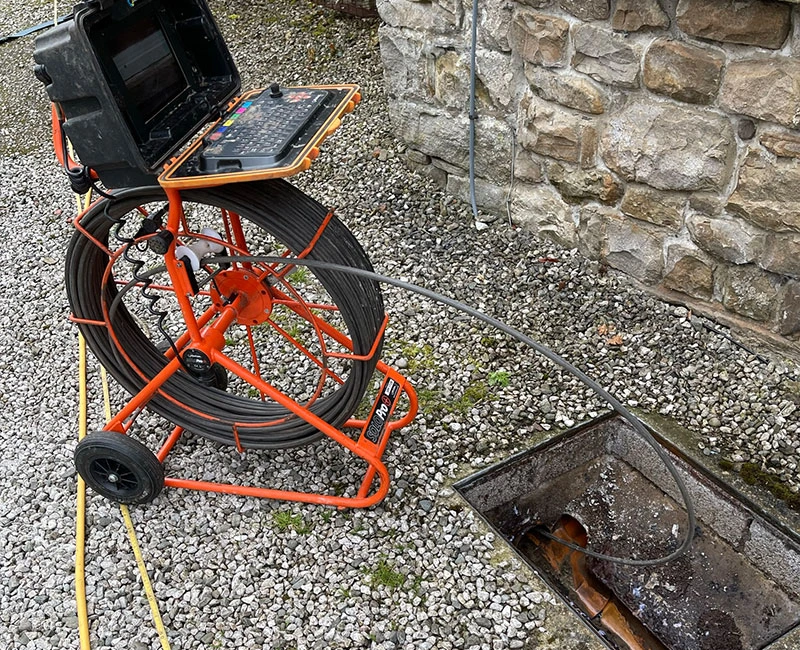
First, the engineer identifies the most suitable access point. That may be a manhole, chamber, rodding access, or another inspection entry. The camera is then introduced into the line and moved through the pipe while the operator monitors live footage.
As the run progresses, observations are recorded in sequence by location. EN 13508-2 uses location data expressed as chainage, meaning the distance from the start point in metres, so each defect or feature can be logged in spatial order.
In practical terms, the inspection answers three key questions:
- what is inside the pipe
- where it is
- how that should affect the next step
If the camera reaches a complete obstruction, the engineer can still identify where progress stopped and what appears to be causing the restriction. If needed, the line can then be cleared and inspected again.
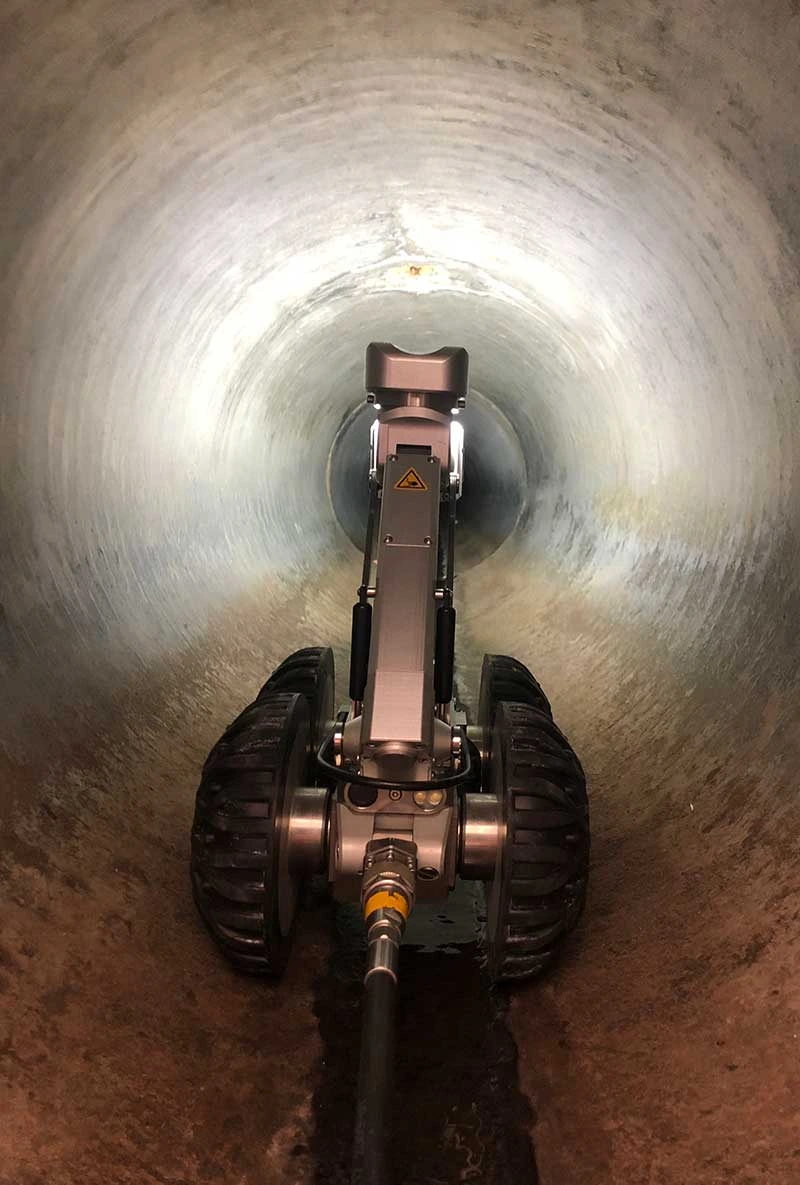
What the Camera Can Find
This is where CCTV inspection becomes genuinely useful. Surface symptoms are vague. Camera evidence is not.
Blockages and Heavy Deposits
The camera can show whether the issue is grease, settled debris, scale, or a compact blockage at a specific point. That matters because not every obstruction should be treated the same way.
Root Intrusion
Roots often enter through defective joints or damaged pipe sections. A camera inspection can show whether roots are just beginning to intrude or whether they are already restricting the bore significantly.
Cracks, Breaks, and Displaced Joints
This is one of the biggest reasons to book a camera inspection. Structural defects often produce the same symptoms as a normal blockage, but they will keep causing trouble until the defect itself is addressed.
Pipe Sagging or Standing Water
A low section in the line can collect waste instead of letting it pass properly. A camera inspection can reveal that pattern in a way plunging or jetting cannot.
Infiltration and Surface Damage
EN 13508-2 groups inspection findings into structural defects, operational conditions, inventory features, and inspection-handling events. Within those categories, it includes issues such as root intrusion, attached deposits, settled deposits, infiltration, cracks, deformation, and collapse.
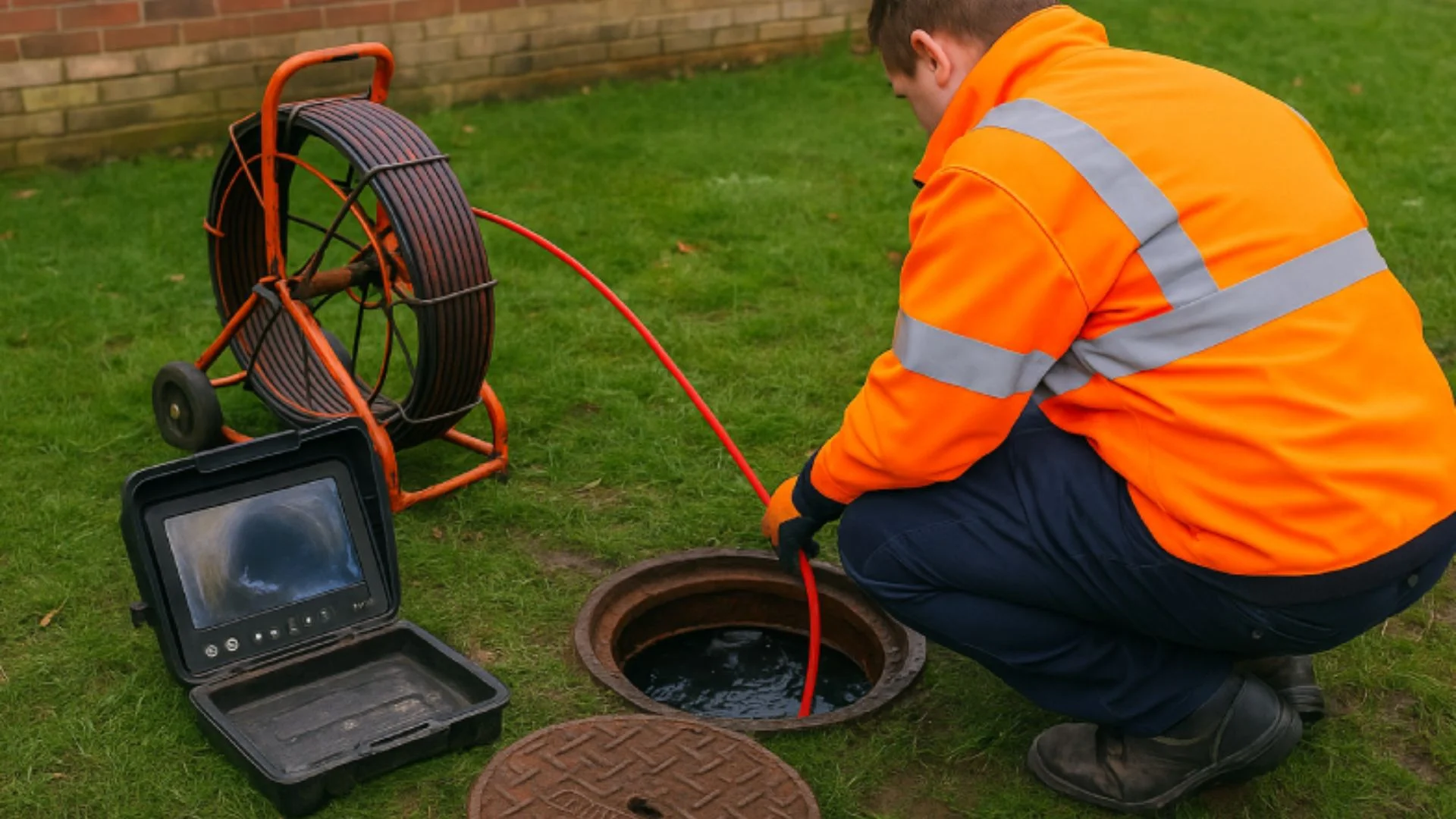
What EN 13508-2 Means on Your Report
This is the technical part that most service pages explain badly.
EN 13508-2 is not a repair standard. It is a visual coding standard. It defines how CCTV observations are recorded using main codes, characterisations, and quantifications, but it does not assign condition grades by itself.
In other words, it describes what is seen, but it does not automatically tell you how severe it is or what the repair must be.
The standard groups findings into four main code families:
- BA for structural defects
- BB for operational conditions
- BC for inventory features
- BD for inspection handling events
For a homeowner, the useful takeaway is simple. A report coded to EN 13508-2 gives you a consistent, standardised record of what was seen inside the pipe and where it was found. That makes future decisions easier, whether the next step is clearing, monitoring, relining, or excavation.
What Happens After the Inspection?
The inspection is the diagnostic step. It is not the end of the job.
If the footage shows a straightforward blockage or a buildup problem, the next step may be targeted drain unblocking or high-pressure jetting. If the footage shows a structural defect, the next step may be repair planning rather than more cleaning.
That is the whole point of camera work: the right repair depends on the actual cause, not the symptom.
In many cases, the most efficient sequence is:
- inspect the line
- confirm the exact problem
- clear the blockage if appropriate
- verify the result or plan repair if the pipe is damaged
That is a much cleaner process than repeatedly treating the same symptom.
Why CCTV Inspection Matters
Without a camera, a recurring drain problem is often treated based on symptoms alone:
- slow drainage
- backup
- bad smells
- repeat blockages
Those symptoms can be caused by simple buildup, but they can also be caused by a damaged section, root entry, or a sagging line. A camera inspection reduces the chance of choosing the wrong intervention first.
FAQ
How long does a CCTV drain inspection take?
It depends on the layout, access, and whether the line is heavily obstructed. Simple residential inspections are usually quicker than larger or more complex surveys.
Does a CCTV inspection always avoid excavation?
Not always. But it usually helps determine whether excavation is actually necessary, and if it is, where it should happen.
Can the camera inspect a fully blocked drain?
Sometimes only partly. If the camera reaches a complete obstruction, it can still record where the blockage is and what is visible at the point where progress stops.
What is the difference between a drain inspection and a drain survey?
The terms are often used interchangeably. In practice, an inspection is usually more targeted, while a survey may cover a wider section or the full drainage network.
Is EN 13508-2 a repair standard?
No. It is a visual coding standard for recording what is seen during the inspection. It standardises the observations, not the repair decision.
Book a CCTV Drain Inspection in Brussels
If your drain keeps blocking, drains slowly across multiple fixtures, or never seems fully resolved after clearing, a camera inspection is usually the most sensible next step.
At DrainResQ, we provide camera inspection, drain unblocking, and high-pressure jetting across Brussels and surrounding areas.
Book a CCTV drain inspection or request a camera assessment before the next blockage turns into the same problem again.